Kanab, Utah
Little Hollywood — the tourism capital of the greater Arizona Strip region, just over the Utah line.
Why Kanab Is the Eastern Strip's Home Base
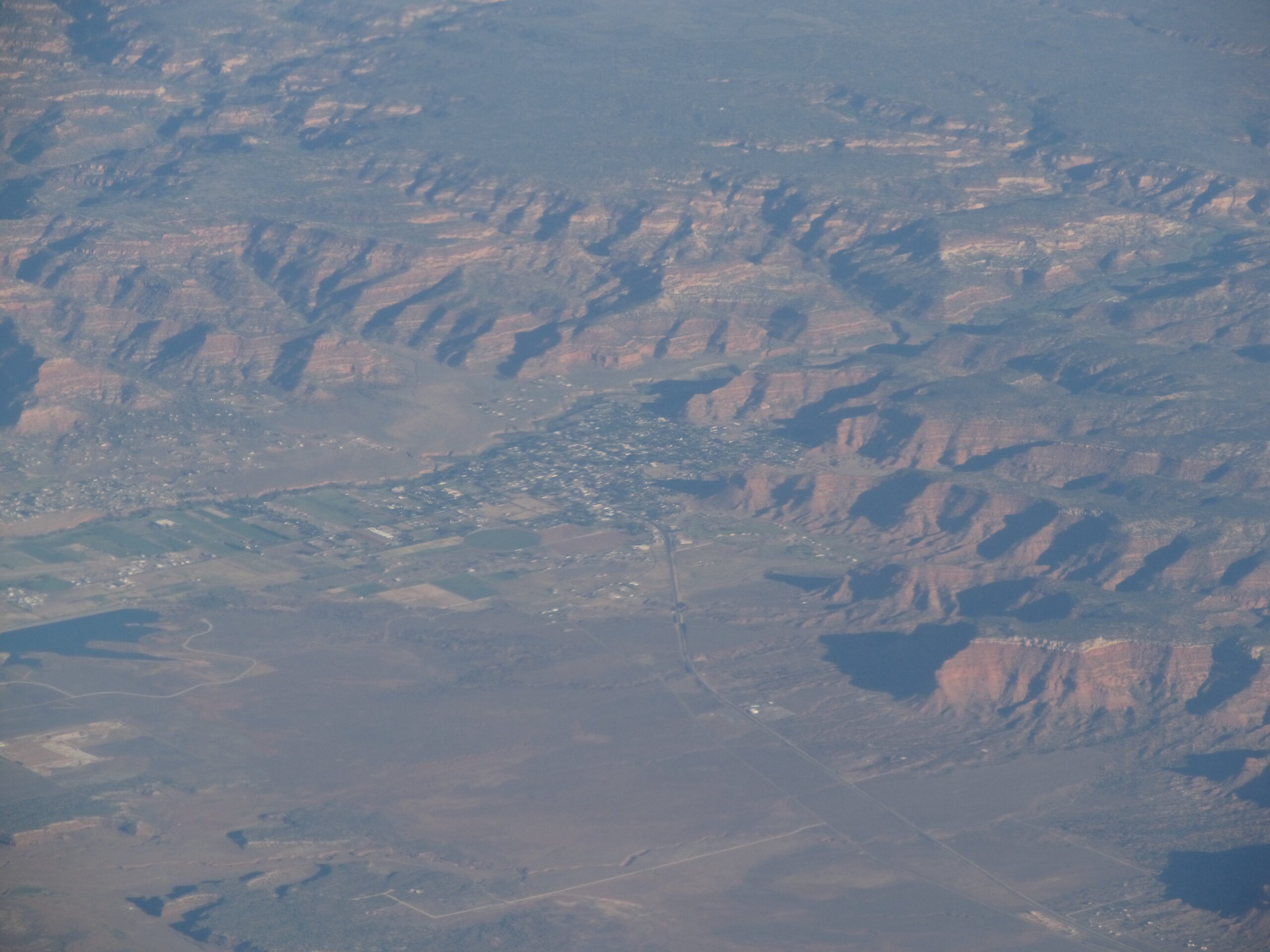
Kanab is a high-desert town tucked into the red-rock country of southern Utah, just north of the Arizona line. For travelers working the eastern edge of the Arizona Strip, it is the practical headquarters: the place with the gas, groceries, beds, and restaurants you won't find for many miles in any direction. Sitting where Utah's canyon country meets the Strip's open backcountry, it has long served as the commercial hub for a region that is otherwise gloriously empty.
What sets Kanab apart from the smaller crossroads communities nearby is range. It is close enough to use as a single base for an entire trip — circling out to dunes, slot canyons, and three different national parks, then returning each night to a real town. If you are routing through neighboring Fredonia or the wider Arizona Strip communities, Kanab is the logical anchor.
"Little Hollywood": A Century on Screen
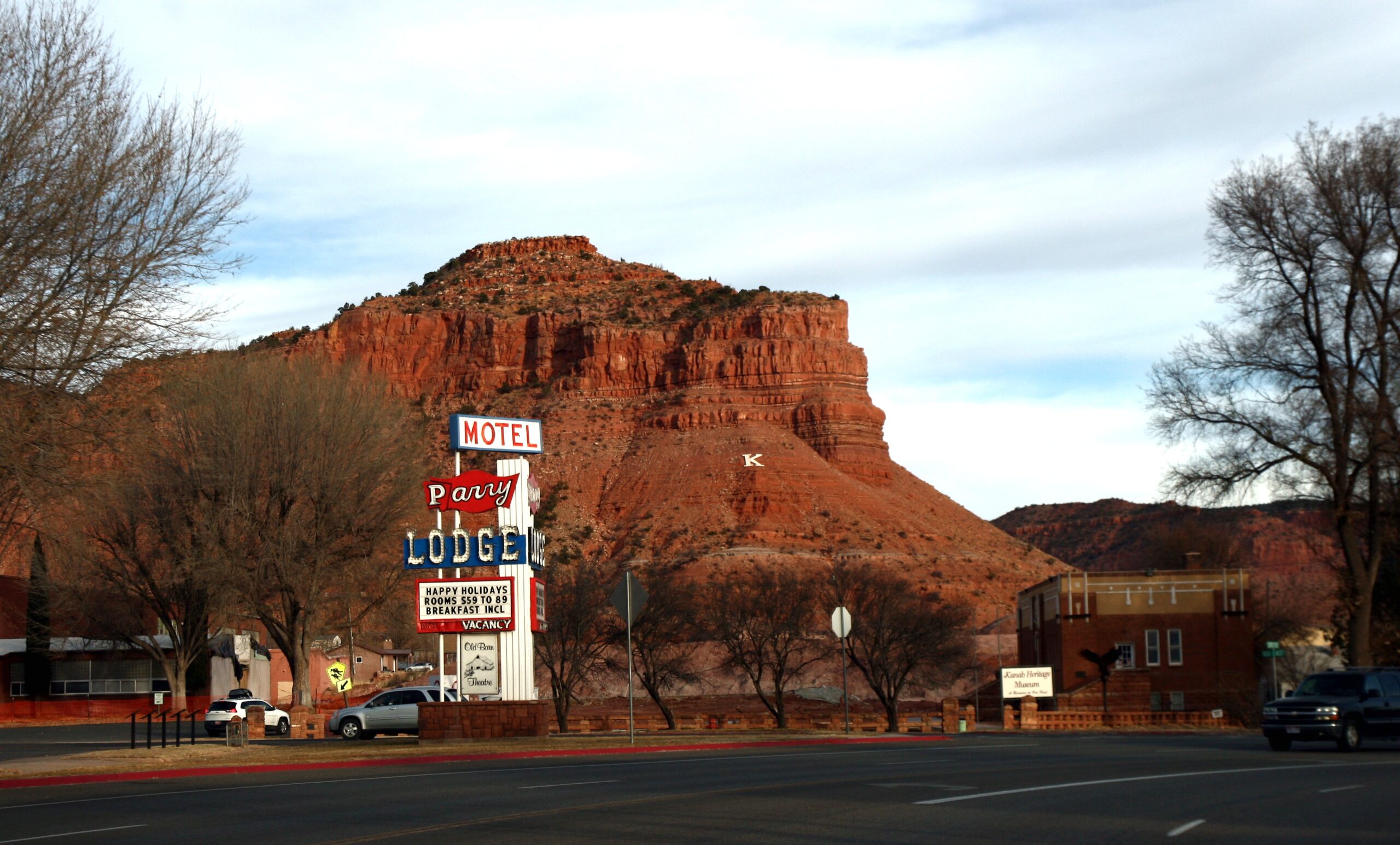
Kanab earned its nickname "Little Hollywood" honestly. The town's dramatic sandstone cliffs, sweeping desert flats, and reliable light made it a favorite backdrop for filmmakers for the better part of a century, and Westerns in particular found a natural home here. That filmmaking legacy is woven into local identity as deeply as the red rock itself.
For visitors, the appeal is simple: the same scenery that drew the cameras is still standing, unscripted and free to explore. The cliffs ringing town and the wide vistas just outside it are the actual sets — there's no entry gate, just the landscape. It's worth budgeting an hour to wander the historic main street and soak up the small-town movie-era atmosphere before you head out for the day.
Coral Pink Sand Dunes State Park
The signature natural attraction near Kanab is Coral Pink Sand Dunes State Park, an expanse of brilliant pink-and-red sand sculpted by the wind over countless years. The color is the draw — the dunes seem to glow under desert sun, and the surface is never the same twice, reshaped by each gust into a fresh, living canvas. It is a magnet for off-roaders, photographers, and anyone who wants to watch the desert quietly rearrange itself.
A few things to know before you go:
- Off-highway vehicles are a big part of the park's identity; if you ride, this is one of the region's premier dune playgrounds.
- Photographers get the best color and the longest shadows early and late in the day, when low light deepens the pink.
- Heat and footing are real — sand radiates warmth, so carry water and plan dune walks for cooler hours.
Trails, Petroglyphs, and the Backcountry Nearby
The land around Kanab rewards anyone willing to leave the pavement. Just beyond the dunes lies the Moquith Mountain Wilderness, a study area of slickrock plateaus and hidden rock-art sites — most notably the pictographs and petroglyphs of Hell Dive Canyon, ancient images sheltered beneath alcoves. Reaching them means a demanding hike, so prepare accordingly and pack plenty of water.
Other worthwhile outings from town:
- Pinnacles Trail — a roughly 9-mile, moderately rated route close to Kanab, open year-round and popular with off-road enthusiasts (and dog-friendly).
- The Barracks Trail — sandstone climbs and river crossings along the East Fork of the Virgin River, beginning near Coral Pink Sand Dunes and ending at Highway 89.
- Barracks Overlook — a viewpoint in the Coral Pink Sand Dunes region that opens onto the sweep of Poverty Flats.
For more route ideas across the wider region, see the recreation guide.
Gateway to the Parks
Kanab's greatest strategic asset is its position among the Colorado Plateau's headline destinations. From here it is a reasonable drive to Zion National Park and its symphony of cream, pink, and red cliffs cut by the Virgin River; to the spires of Bryce Canyon; and to the Grand Canyon's North Rim, the quieter, higher, more remote side of the great chasm. The town also sits within reach of the famously hard-to-access permit hikes of the Paria–Vermilion Cliffs region, including the much-photographed Wave.
Because so many of these sit in different directions, Kanab functions less like a stop and more like a wheel hub — you spoke out to a park or canyon, then roll back to town. Nearby on the Strip itself, the cliffs and monuments documented across the landmarks pages — including the Vermilion Cliffs — round out a trip that can easily fill a week.
Plan Your Visit: Know Before You Go
Seasons. Spring and fall are the sweet spot — comfortable temperatures for hiking and dune walking. Summer brings genuine desert heat, so start early, rest midday, and save strenuous trails for morning. Winter is quiet and cold but can be clear and beautiful.
Fuel and water. Kanab is the last reliable place to top off the tank and stock up before you head into the backcountry or toward the North Rim. Carry far more water than you think you need; the Strip has almost no services once you leave town.
Access and fees. Coral Pink Sand Dunes is a state park with day-use fees; the national parks charge their own entrance fees, and the most coveted permit hikes nearby are lottery-based and book out well ahead. Many backcountry roads and the rougher trails want high clearance and, in places, four-wheel drive — check current conditions before committing.
Questions about routing your Arizona Strip trip through Kanab? Reach out and we'll point you in the right direction.
See the Region's Landmarks
From red-rock monuments to canyon overlooks, the icons of the Strip are close by.