Pipe Spring National Monument
Water in a Dry Land
In a region defined by the scarcity of water, Pipe Spring was something rare and valuable: a dependable source flowing out of the rock. That water shaped everything that happened here. For well over a thousand years, Ancestral Puebloans and the Kaibab Paiute gathered seeds, hunted, and raised crops near the springs.
It is easy to drive past a desert spring without grasping what it meant. On the Arizona Strip, where the next reliable water might be a hard day's travel away, a place like Pipe Spring was a landmark that people organized their lives around.
Winsor Castle & the Ranch Years
By 1872, settlers had built a stone fort directly over the main spring — two long buildings joined by walls and gates, with the water running through the courtyard. It came to be called Winsor Castle, after Anson Winsor, the Latter-day Saint bishop hired to run the cattle operation here.
For a few decades Pipe Spring was a working ranch and a waypoint on the wagon roads across the Strip. It also held an early Deseret Telegraph office — the first telegraph station in Arizona — which made this remote outpost, briefly, one of the most connected spots for hundreds of miles.
The Kaibab Paiute
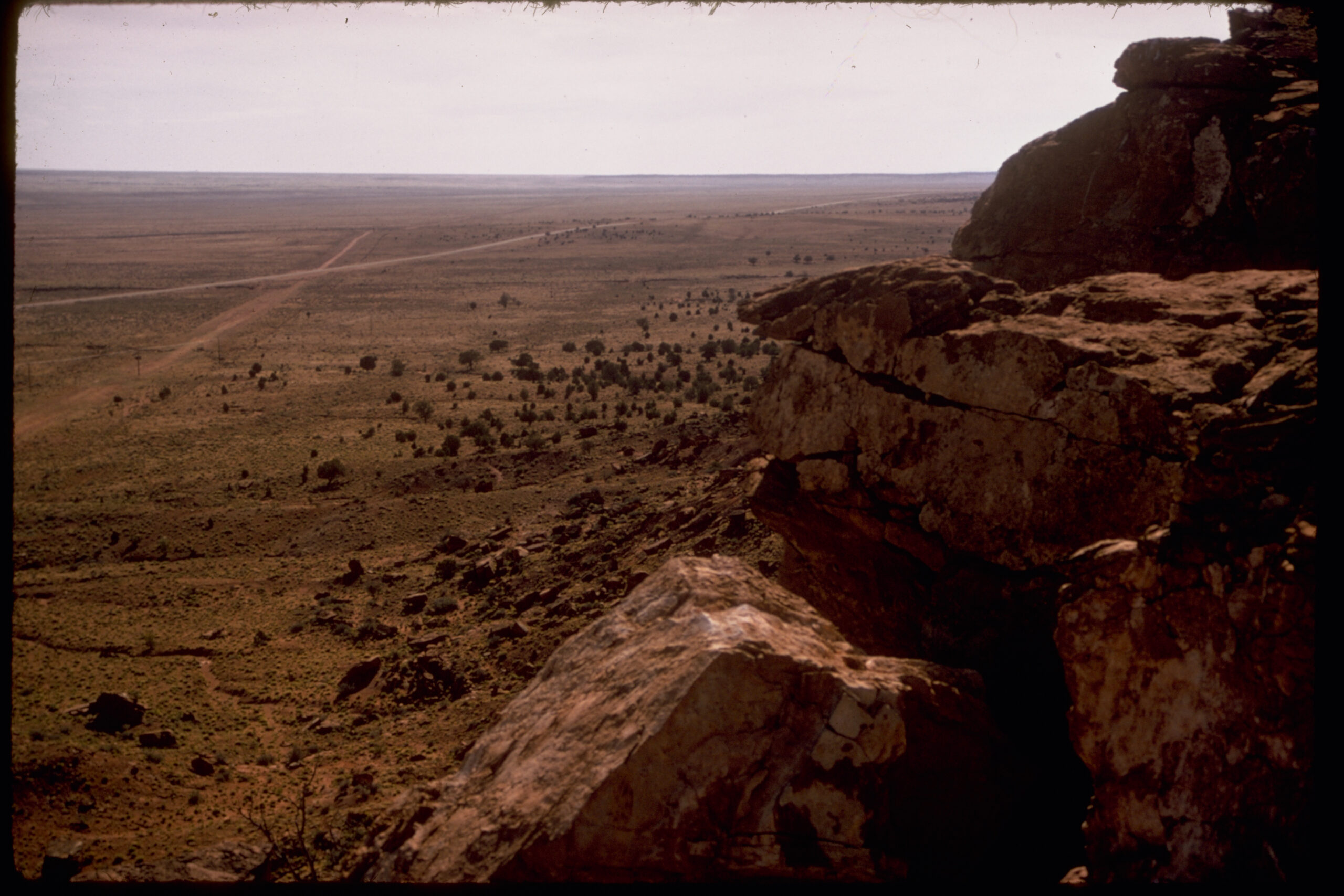
Long before the fort, this was Kaibab Paiute country, and it still is. The Kaivavwits had relied on these springs for generations, and the arrival of cattle ranching — which drew down the water and the grasses — reshaped their way of life. In 1907 the Kaibab Paiute Indian Reservation was established, and today it surrounds the monument on every side.
That layered history is part of what makes Pipe Spring worth the visit. The site is now interpreted in partnership with the tribe, and the Kaibab Band's own visitor center and museum sit alongside it — two perspectives on the same small, vital patch of desert.
What You'll See Today
The centerpiece is Winsor Castle itself, open for guided tours, with rooms furnished as they would have been in the ranching era. In summer, living-history demonstrations bring the work of the place to life, and a small orchard and garden still grow beside the fort.
Longhorn cattle graze the grounds, a short half-mile trail climbs the ridge behind the fort for a wider view, and the joint National Park Service and Kaibab Band visitor center tells both sides of the story.
Planning Your Visit
Pipe Spring sits on the Arizona Strip between Fredonia and Colorado City, just off State Route 389 on the Kaibab Paiute reservation, and is managed by the National Park Service in partnership with the tribe.
It is rarely crowded, which is part of its appeal — you can take a tour, walk the trail, and still have the desert quiet to yourself. Pair it with the drive over the Kaibab Plateau or a loop through the Strip's small towns.
Plan Your Trip Around the Strip
Base your trip in one of the region's gateway communities.