Where to See California Condors on the Arizona Strip
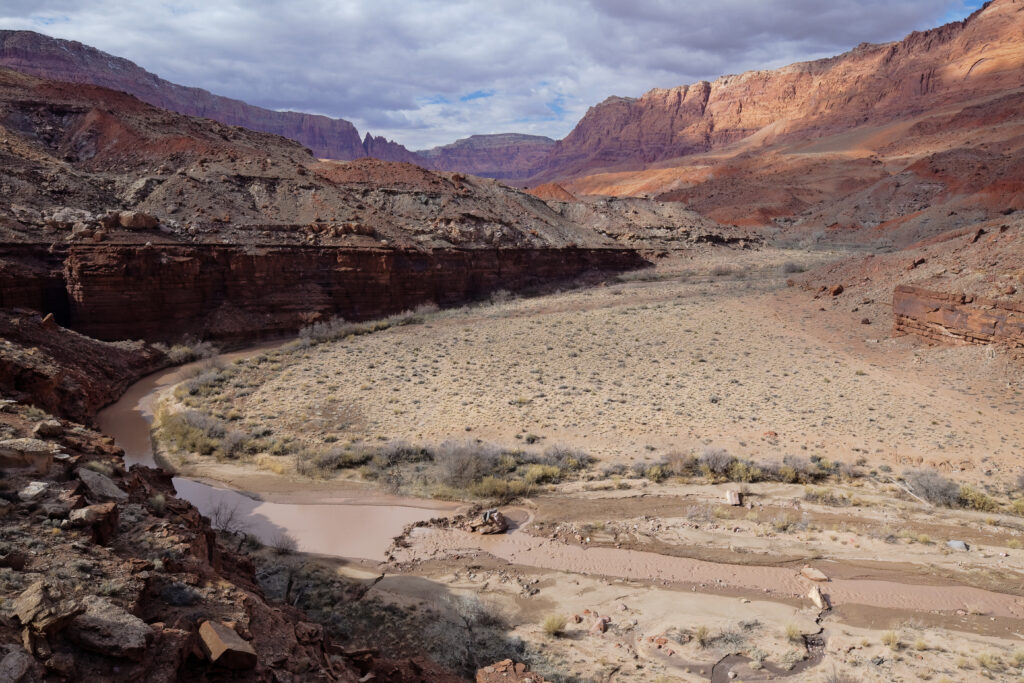
Few wildlife encounters in the Southwest rival the moment a California condor lifts off a cliff ledge and drifts overhead on wings stretched nearly ten feet wide. The Arizona Strip and the cliffs along its southern edge are one of the best places on Earth to witness it. North America’s largest land bird very nearly vanished, and the open country north of the Grand Canyon is where it has been clawing its way back. Here’s how to find condors, how to tell them from the vultures they share the sky with, and how to watch them without setting that recovery back.
Why Condors Came Back to Vermilion Cliffs
By the early 1980s, the entire wild population of California condors had collapsed to just a couple dozen birds. Every surviving condor was eventually brought into captivity to start a breeding program — a last-ditch effort to keep the species from disappearing entirely.
The towering escarpment of Vermilion Cliffs National Monument was chosen as a release site in the high desert north of the Colorado River. The reasons are easy to appreciate once you stand beneath those red-and-white walls: tall cliffs for nesting and roosting, sweeping updrafts for soaring, vast remote terrain, and a healthy supply of carrion to feed on. Birds raised in captivity are released here to rejoin the free-flying flock, and the area has become the heart of condor recovery in the Southwest. Watching one of these birds ride the wind above the cliffs is a front-row seat to one of conservation’s hardest-won comebacks.
Best Places to Spot a Condor
Condors range widely, so sightings are never guaranteed — but a few spots dramatically improve your odds.
- The release-site viewpoint on House Rock Valley Road. A graded road runs north off the highway into House Rock Valley, beneath the cliff faces where birds are released. Scan the ledges and the sky above the rim. This same valley offers stunning views toward Buckskin Gulch and the Paria River, so it’s a rewarding stop even on a quiet condor day.
- Navajo Bridge over the Colorado River. Condors are famously drawn to the steel beams beneath this bridge, perching on the girders in plain view of the walkway above. When birds are present, it’s one of the easiest close looks anywhere.
- The Kaibab Plateau and North Rim. Rising thousands of feet above the surrounding desert, the Kaibab Plateau generates strong thermals that condors use to gain altitude. Watch the skies along the forest edges and near the canyon rim. The remote overlooks at Toroweap, perched high above the river, are another spot where soaring birds occasionally appear.
Early morning and late afternoon tend to be most productive, when birds are leaving or returning to roost. Bring binoculars — even a giant condor can read as a distant speck at first.
Condor or Vulture? How to Tell Them Apart
Turkey vultures are common across the same country, and at a glance they can fool you. A few clues sort it out:
- Size. Condors are enormous, with a wingspan close to nine and a half feet — noticeably larger than any vulture.
- Wing shape in flight. Condors soar on flat, plank-like wings held steady. Turkey vultures hold their wings in a shallow V and rock side to side as they teeter on the wind.
- Underwing pattern. Adult condors show a bold white triangle on the leading underside of each wing. Turkey vultures show a silvery-gray trailing edge instead.
- Wing tags. Most managed condors wear large numbered tags on their wings — a dead giveaway. Vultures never carry them.
Keeping Them Wild
The single biggest threat to condors today is lead poisoning. As scavengers, they feed on carcasses, and fragments of spent lead ammunition left in a gut pile or an unrecovered animal can sicken or kill a bird that swallows them. Using non-lead ammunition in condor country, and packing out or burying gut piles, makes a real difference.
For visitors, the rules are simple: keep your distance, never feed a condor, and don’t approach or try to lure a perched bird closer. Tossing food or trash teaches condors to associate people with meals, which puts them in danger. Pack out everything you bring. Watching from a respectful distance is how these birds stay genuinely wild.
Plan Your Condor Day
A condor-watching trip pairs naturally with the rest of the region. String together the cliffs, the Kaibab high country, and a river overlook, and use a gateway town like Fredonia or Kanab as your base for fuel, food, and lodging. Browse more recreation ideas and landmarks across the Strip to round out the adventure — and keep your eyes on the sky.