Monsoon Season on the Arizona Strip: What Travelers Need to Know
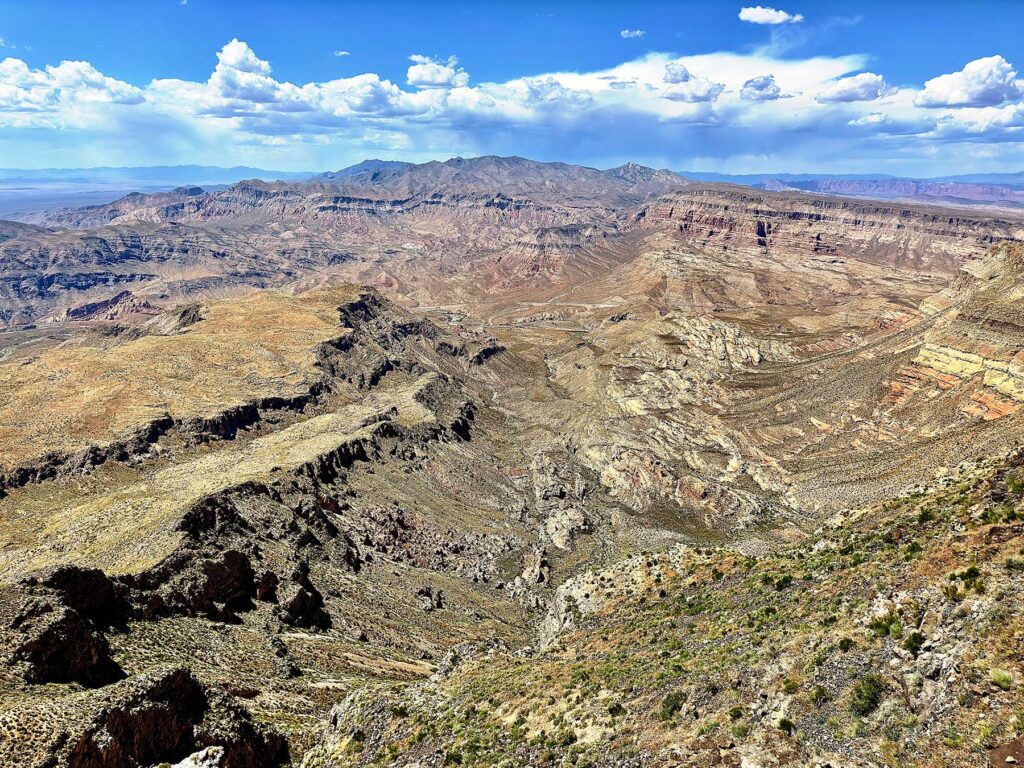
From roughly July through September, the Arizona Strip trades its bone-dry stillness for something far more dramatic. Moisture pushes up from the south, towering clouds stack over the mesas by midday, and the desert that looked unchanging for months suddenly fills with running water, the smell of wet creosote, and light no photograph quite captures. Monsoon season is the most alive this country ever gets. It is also the season most likely to strand an unprepared traveler. Here is what to understand before you head out into the washes and backroads.
How a Monsoon Day Actually Unfolds
The pattern is remarkably consistent once you learn to read it. Mornings tend to start clear and calm. Through the late morning, puffy clouds begin building over the high ground, and by early-to-mid afternoon they can pile into dark, anvil-topped thunderheads. That is when the action arrives: brief, intense downpours, gusty wind, lightning, and sometimes hail, often over a small area while a few miles away stays dry.
The key fact is that these storms are usually short, scattered, and localized. A cell can dump an astonishing amount of rain on one drainage in twenty minutes, then move on. By evening the sky frequently clears again. This rhythm is why timing matters more here than almost anywhere else.
The Real Hazard: Flash Floods and Washes
Much of the Strip drains through washes — sandy, normally dry channels that double as scenic routes and, in many places, as the actual road. The wash you are driving may be miles downstream from a storm you can’t see. That is the danger of a flash flood: the water arrives from rainfall that fell somewhere else, often without warning, turning a dry channel into a fast, debris-loaded torrent in minutes.
Flooding has shaped this region for as long as people have lived in it. The farming flats near present-day Mesquite were wiped out more than once by floods triggered by heavy rain and upland snowmelt, and seasonal channels like Beaver Dam Wash still see occasional flash floods from infrequent but heavy storms. The lesson hasn’t changed:
- Never cross a flooded wash — not on foot, not in a vehicle. Moving water is deeper and stronger than it looks.
- Don’t camp in the bottom of a wash during monsoon season, even if the sky overhead is clear.
- If you hear a roar or see rising or muddy water, get to higher ground immediately and wait it out.
Impassable Clay Roads
The second hazard is quieter but just as effective at ruining a trip. Many of the Strip’s unpaved roads run over clay-rich soil — the same abundant clay early settlers once used for building. Bone-dry and graded, those roads are fine. Add water, and the surface turns to a slick, gummy mud that packs into tires and offers almost no traction, even for high-clearance four-wheel-drive vehicles.
Routes that climb or descend mesas are especially prone to washing out after a storm; some are kept open only because they’re regularly graded back to passable. A rain that ends in twenty minutes can leave a road undriveable for the rest of the day. If you’ve explored the backroads featured throughout our landmarks and recreation pages, you’ve seen how remote they are — getting stuck out there is not a minor inconvenience.
The Morning-Driving Rule
Because the storms build in the afternoon, the simplest safety habit on the Strip is to do your driving and your committing miles early. Plan to reach a destination — or be back out toward pavement — before the clouds mature. Treat afternoon as the window when you stay put, take photos from a safe vantage, or wait for a road to dry. This single habit prevents most monsoon trouble. It applies whether you’re heading to Gold Butte, the rim at Toroweap, or anywhere within Grand Canyon–Parashant, where help is hours away.
What to Carry
Cell coverage across the Strip is limited to nonexistent, so self-sufficiency is the rule. A sensible monsoon-season kit includes:
- Plenty of extra water and food — enough to wait out a storm or a stuck vehicle
- A first-aid kit, multi-tool, and a way to make fire
- A satellite communicator or personal locator beacon for areas with no signal
- Recovery basics: traction boards, a shovel, and proper tires for mud
- A current paper map, since downloaded routes won’t load without service
Before you go, check the forecast and ask locally. Rangers and longtime residents — easy to find in gateway towns like Mesquite, Fredonia, and Kanab — know which roads turn bad first.
Why Locals Love It Anyway
For all the caution, the monsoon is when many of us most love this landscape. The light goes electric, the air finally cools, ephemeral waterfalls spill off the cliffs, and the desert blooms in its own brief, stubborn way. Respect the timing, stay out of the washes, and watch the storms from solid ground — and you’ll understand why the people who live here wait all year for them.